
Evergreen and National Wildfire Alliance: First, Put Out The Fire.
Two organizations, a shared principle, and a growing conversation about America's wildfire crisis. First, Put Out The Fire.
Two organizations, a shared principle, and a growing conversation about America's wildfire crisis. First, Put Out The Fire.

Two organizations, a shared principle, and a growing conversation about America's wildfire crisis. First, Put Out The Fire.
A congressional inquiry into 19 environmental organizations deserves scrutiny - as do the claims about their litigation practices. Are you a

First, Put Out The Fire.
It is a simple principle, familiar to generations of firefighters and those who work in our forests. It is also the title of Jim Petersen's book and the guiding message of the National Wildfire Alliance (NWA).
Common ground for a solid collaboration.
Evergreen is pleased to introduce our readers to the National Wildfire Alliance, an organization bringing together people who believe America's wildfire crisis demands more than another round of studies, arguments, and promises. It demands action.
For more than 40 years, Evergreen has reported on the relationship between forest management, public policy, and the health of our forests and communities. Along the way, we have examined the consequences of decisions made, decisions delayed, and opportunities lost.
The National Wildfire Alliance approaches many of these same concerns with our shared sense of urgency: First, Put Out The Fire.
We all recognize that forest health and active management are protective factors that help prevent catastrophic wildfire - while effective mitigation creates conditions in which fires are less destructive and easier to manage - resulting in healthy, resilient forests.
Our partnership brings together independent journalism and a growing network of voices committed to changing the national conversation about wildfire.
We are pleased to introduce NWA's newsletter to Evergreen readers. Its contributors bring different experiences and perspectives, and share a collective concern about the human, environmental, and economic consequences of increasingly destructive wildfires.
We invite you to get acquainted with the National Wildfire Alliance, consider the ideas presented here, and join a conversation that has become increasingly urgent.
 Frank Carroll, Joe Reddan
First, put out the fire. Then let's talk about what comes next.
By Jim Petersen
We are delighted to have been asked to help the National Wildfire Alliance Board of Directors with content development for their monthly website newsletter. The “we” here refers to Jim and Julia Petersen, publishers of the nonprofit Evergreen Foundation’s website newsletter and periodic print magazine.
Our organizations share several goals and objectives. Chief among them is public education and outreach concerning the West’s wildfire pandemic – a topic that’s been a major concern here at Evergreen since the federal government listed the northern spotted owl as a threatened species in June 1990.
But there is something more fundamental that brings us together: a shared belief that we cannot afford to stand idly by while catastrophic wildfires destroy forests, communities, and the natural resources we depend on.
First, Put Out The Fire!
It is a familiar principle in wildfire management, the title of one of my books, and a guiding message of the National Wildfire Alliance.
NWA President Bill Derr has asked me to share a summary of the Alliance’s four goals and objectives. They provide a clear foundation for the work ahead.
First: Aggressive Initial Attack
Detect fires early, respond immediately, and commit sufficient resources to control them before they become catastrophic. This captures the intent of the historic 10 a.m. fire policy.
NWA believes that restoring this emphasis on aggressive initial attack is essential to reducing catastrophic wildfire losses. This requires experienced firefighters, adequate equipment, rapid deployment, clear lines of authority, and accountability for decisions made during the critical early hours of a fire. Every hour matters, particularly when high winds, drought, and heavy fuel loads create conditions in which a small fire can quickly become uncontrollable.
Second: Ecological Benefit Alone Is Not Enough
Fire plays a natural role in forest ecosystems, but ecological benefit cannot be the sole justification for allowing a wildfire to spread. Management decisions must account for the full consequences, including long-term forest health, soil, water, wildlife habitat, and the potential for irreversible damage.
The Alliance distinguishes between the deliberate, carefully planned use of prescribed fire and allowing an unplanned wildfire to spread under dangerous conditions. Prescribed burning, conducted by experienced crews under appropriate weather and fuel conditions, remains an important forest management tool. But when a wildfire threatens to become catastrophic, protecting people, forests, and communities must take priority.
The goal is not to eliminate fire from the landscape. It is to create forest conditions in which fire can play its ecological role without producing widespread destruction.
Third: Active Forest Management Is Essential
Use the full range of science-based forestry practices, including thinning, prescribed burning, forest products utilization, reforestation, and continuing stewardship, to create healthier, more resilient forests.
Forest management is not a one-time treatment. It is a continuing responsibility requiring planning, skilled workers, functioning infrastructure, and markets for the forest products generated by restoration work.
Healthy, actively managed forests can be more resilient to wildfire, insects, disease, and changing environmental conditions. The objective is to reduce the likelihood of catastrophic losses while maintaining productive, diverse forest landscapes for future generations.
Fourth: Put Human Life and Firefighter Safety First
Protect lives, homes, and communities through preparedness, risk reduction, sound firefighting strategies, and accountability. No forest management objective should justify exposing firefighters or communities to unnecessary danger.
That responsibility begins long before a wildfire starts. It includes reducing hazardous fuels near communities, maintaining defensible space, improving access and evacuation routes, strengthening coordination among firefighting agencies, and ensuring that firefighters have the training, equipment, and resources they need.
It also requires sound judgment during an incident. Firefighters should never be exposed to unnecessary risks, and decisions about fire management must account for the potential consequences to nearby residents, infrastructure, and natural resources.
The ultimate measure of success is not simply how many fires are extinguished, but how effectively we prevent catastrophic losses while protecting lives, communities, and the forests on which they depend.
These four goals seem like common sense to NWA’s Board of Directors – as they do to our Evergreen Board – but achieving them has been a persistent challenge. Much of the public remains unaware of the policies and decisions that have contributed to the wildfire crisis, or what can be done to change course. That is why public education and outreach are central to both our missions. If we are going to move the needle, we must first build a better-informed public that understands what is at stake and why change is necessary.
Protecting people, land & property from the devastation of wildfires...
We don’t back down when the mission is daunting; we’re in until the fire is out!
The Forest Service adopted its 10 a.m. policy in 1935. The policy remained in effect until the 1970s, when federal fire management increasingly recognized the ecological role of fire. NWA believes it is time to restore the emphasis on aggressive initial attack and clear accountability for controlling wildfires before they become catastrophic.
We can’t tell you how closely this matches Forest Service Chief Tom Schultz’s plans, but the newly established U.S. Wildland Fire Service, housed within the Department of the Interior (DOI), represents an effort to strengthen and coordinate federal wildfire prevention, response, and recovery.
Among the major challenges DOI and the Forest Service face is a shortage of experienced wildland firefighters. Equally important is adequate funding for training and paying these men and women a sum commensurate with the life-threatening risks they take on fire lines.
New Mexico’s April 2022 Hermit’s Peak/Calf Canyon Fire offers a sobering example of what can happen when prescribed fire operations go wrong. The blaze originated from two Forest Service prescribed fires that escaped control and eventually merged, burning approximately 342,000 acres of forest and rangeland.
A Forest Service review identified serious deficiencies in planning, weather assessment, and preparedness for the Hermit’s Peak prescribed burn. The consequences for surrounding communities have been enormous, including loss of homes, damaged watersheds, flooding, and billions of dollars in potential compensation and recovery costs.
NWA also opposes the practice of managing wildfires for ecological benefit when the risks to communities and natural resources are too great. Its directors believe the priority must be preventing small fires from becoming large, destructive ones.
We share that concern.
The West’s increasingly costly and deadly wildfires have many contributing factors, including fuel accumulation, prolonged drought, and extreme fire weather. The dramatic decline in active management of federal forests since the early 1990s has compounded the problem in many areas.
Federal timber harvesting fell sharply following the northern spotted owl listing and subsequent changes in forest policy. We believe that more consistent thinning, prescribed burning by experienced crews, and other forms of active management could have reduced the severity of many of the wildfires we are witnessing today.
We can substantially reduce wildfire risks by more actively managing federally owned forests. The laundry list of necessities includes thinning and prescribed burning, marketing as much downed woody debris as possible, salvage logging where appropriate, replanting, and pre-commercial and commercial thinning as new forests grow in replanted areas.
Healthy forests, responsible management, and effective wildfire response are inseparable. They are essential to protecting communities, maintaining productive forest landscapes, and safeguarding environmental values for future generations.
Our boards also believe that accountability and responsibility for early attack on wildfires are vital. NWA supports legislation that would establish clearer direction and accountability for aggressive initial attack, drawing on the principles embodied in the old 10 a.m. fire policy.
Firefighters and incident commanders need clear objectives, sound judgment, adequate resources, and the authority to act quickly while protecting the safety of those on the ground.
These goals will require congressional support, adequate funding, and a willingness to reconsider policies that have limited our ability to manage federal forests effectively.
This necessity is well understood in much of the rural West, where communities live with the consequences of wildfire year after year. It is a conversation that needs to reach urban and metropolitan audiences as well. Forest management decisions affect everyone who depends on clean air, clean water, healthy watersheds, wildlife habitat, and the many other benefits our forests provide.
My connection to NWA dates to its initial formation as the National Wildfire Institute in 2010. The late John Marker, also an Evergreen Board member, was one of its founding directors. So too was the late Bruce Courtright. Both John and Bruce were Forest Service veterans.
Ever a gentleman, Marker was Legislative and Public Relations Liaison for the Forest Service’s Region 6 office during the spotted owl wars. Courtright’s earliest years were with the Strategic Air Command, followed by Forest Service human resources management on three National Forests, Regional Training Officer in Atlanta, and finally Chief of Management in the agency’s Washington, D.C. office.
After they died – John in 2015 and Bruce in 2023 – the Institute they co-founded languished until the current group, led by Phil Aune and Bill Derr, breathed new life into the organization. Phil is NWA’s treasurer, and Bill is its president.
Two Evergreen Board members – Phil Aune and Nadine Bailey – are also very active NWA Board members. Both are longtime friends: Phil from his days with the California Forestry Association and Nadine from her early years as a grassroots organizer in Hayfork, California.
Bill is also a Forest Service retiree. He spent most of his career in fire management and leadership positions in the agency’s law enforcement program. Phil has the distinction of having spent his entire 40-plus-year career with the agency in California. He has forgotten more about forestry and wildfire in California than anyone else we know.
NWA President Bill Derr will be the first to tell you that Phil Aune is the glue that holds the Alliance together. This isn’t surprising given his Forest Service career or all that he’s done for the Evergreen Foundation during his years with us.
Our shared history, experience, and concern for the future of America’s forests give us plenty of common ground on which to build this partnership.
Now to four essays by NWA Directors Frank Carroll, Phil Aune, Nadine Bailey, and Dana Tibbitts. Frank writes from Colorado, Phil from Washington state, Nadine from northern California, and Dana from Nevada.
Enjoy!
Independent forestry journalism takes time, travel, research, interviews, editing, photography, web publishing, and decades of earned trust.
It is work - and like the work you do, it has real value and requires financial support.
If Evergreen helps you understand the decisions shaping our forests, communities, and future, please subscribe or contribute today.
Subscribe. Contribute.
Help keep Evergreen independent.
Subscribers receive access to many of Evergreen’s back issues in our Archives.
Our archives hold a deep record of forestry reporting, history, policy, people, and practice.
Looking for a specific issue or topic?
Let us know, and we will help you find the Evergreen
coverage you need.
Prefer PayPal?
You can set up an ongoing donation, and we will honor it as a subscription with the same benefits.
SEPTEMBER/OCTOBER 2026
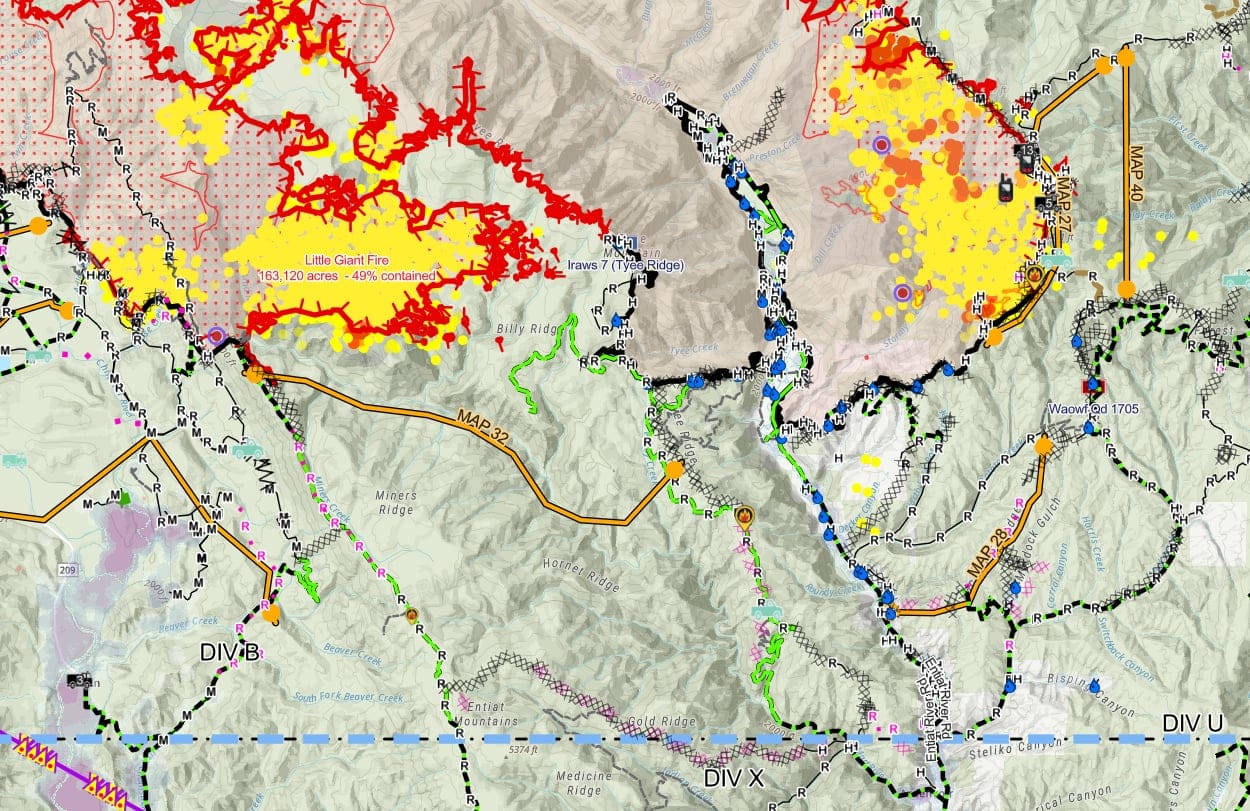
Introducing the Little Giant Fire Wildfire Suppression Report Card — and why three Chiefs drove to an Incident Command Post
Frank Carroll
Little Giant Fire
Okanogan-Wenatchee National Forest, Washington · WA-OWF-260406
INITIAL REPORT CARD · Issued September 16, 2026 · Supersedes the Interim Warning of August 30, 2026
Frank Carroll
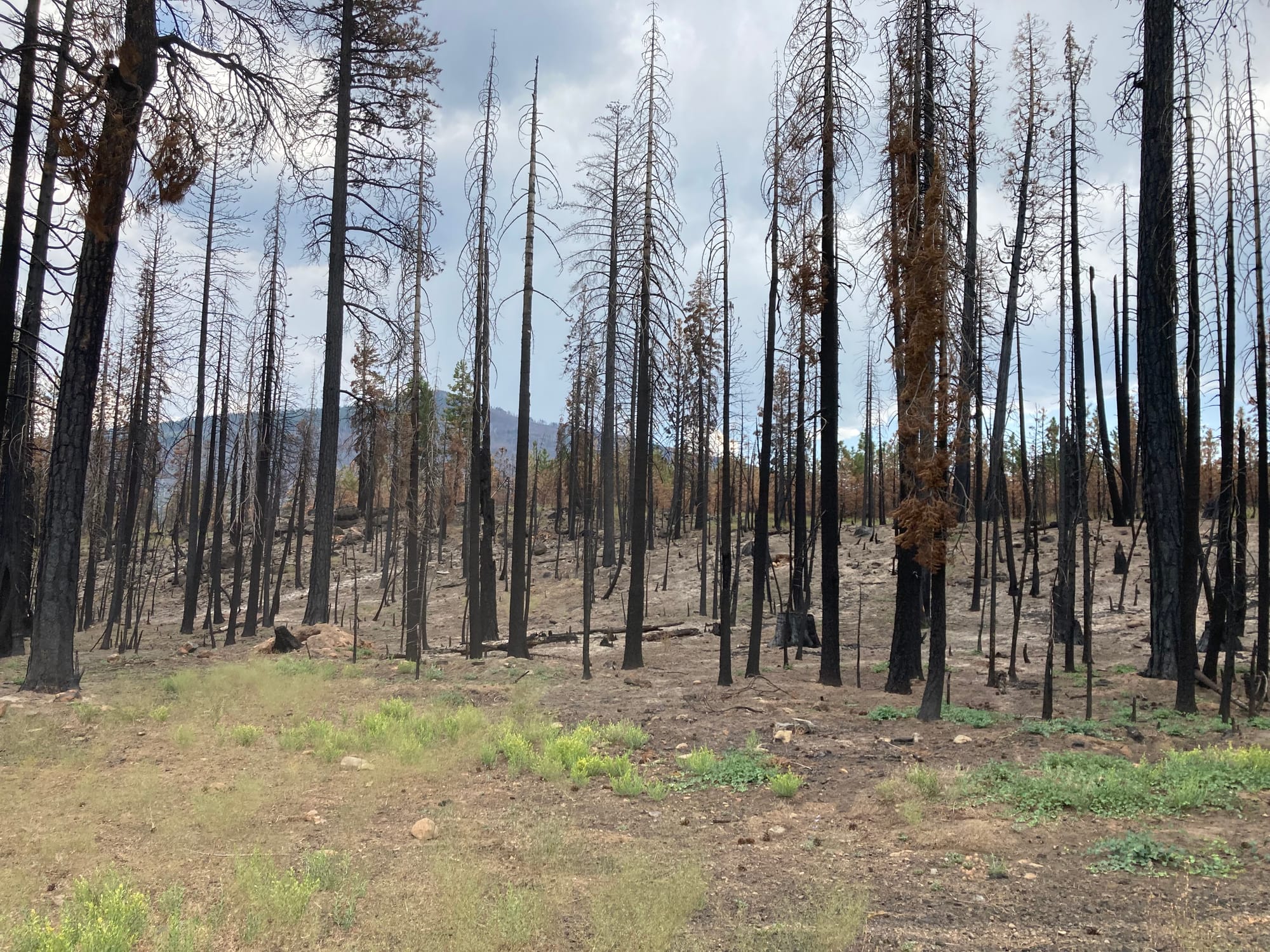
Phil Aune describes his trips and observations on some of the recently burned areas of California.
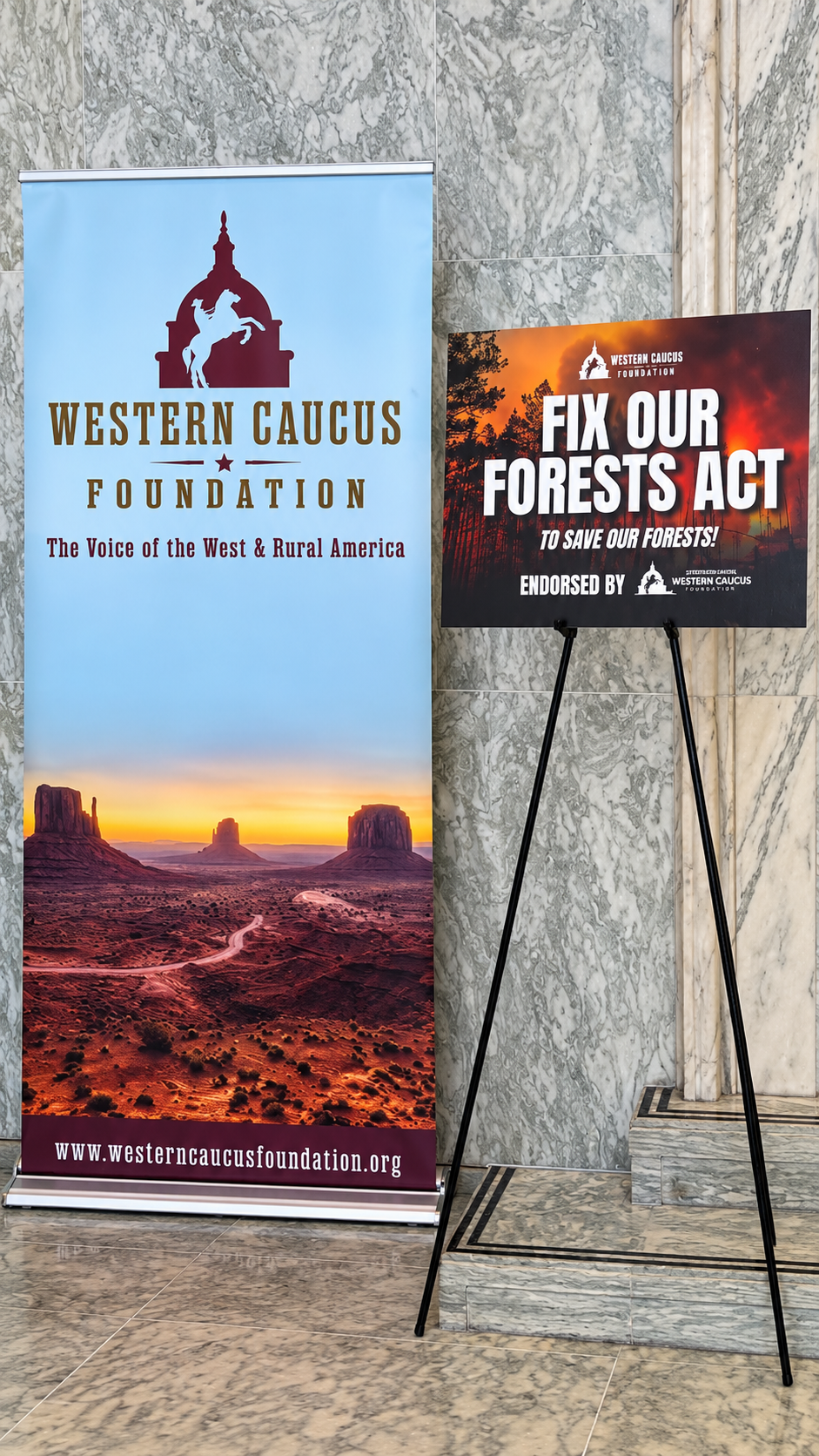
Taking Water and Wildfire Concerns to Washington
Nadine Bailey
Editor’s Note:
Nadine Bailey is a member of the Board of Directors of three organizations that are working together to find solutions to common political problems facing families and businesses impacted by federal regulations that have limited irrigation water supplies and delayed timely responses to wildfires that threaten the West’s public, private, and Native American forests.
These organizations include northern California’s Family Farm Alliance, the National Wildfire Alliance, and the nonprofit Evergreen Foundation. Additionally, Nadine works for the Family Water Alliance.
Collectively, these organizations represent the interests of farmers, ranchers, loggers, sawmill owners, and several organizations that advocate for more active forest management to protect air and water quality, fish and wildlife habitat, and year-round outdoor recreation opportunities.
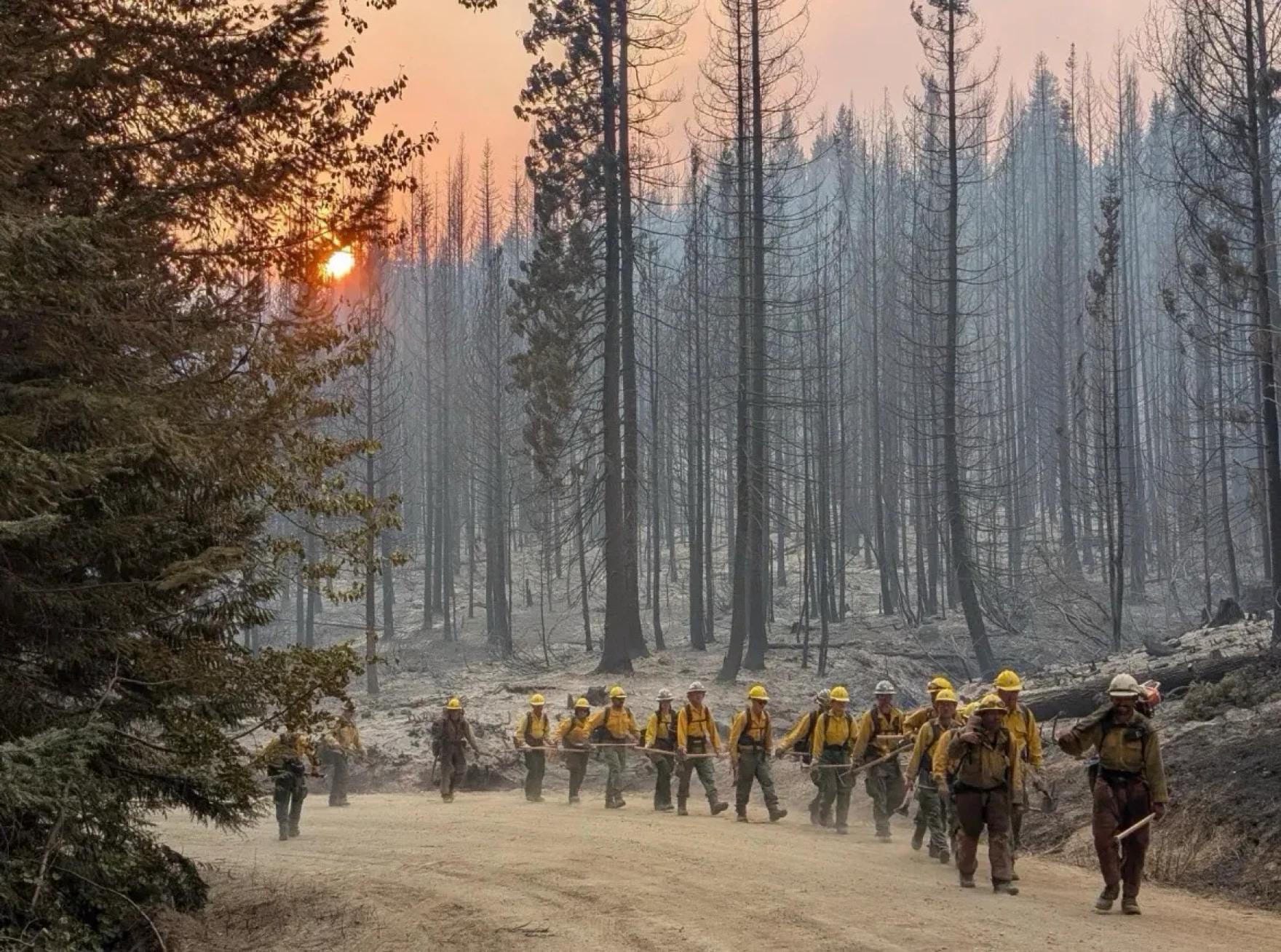
We have become remarkably adept at delivering the workforce - and the funding - after the crisis begins. RSR gives us the opportunity to build the solution before the fire comes.
So what are we waiting for?
Dana Tibbets
The partnership between Evergreen and the National Wildfire Alliance is built on a shared commitment to public education, responsible forest management, and meaningful action.
By bringing together experience, knowledge, and new perspectives, we hope to broaden the conversation, build public understanding, and help move solutions forward.
Your 100% tax-deductible subscription allows us to continue providing science-based forestry information with the goal of ensuring healthy forests forever.