
Counting the Cost
A congressional inquiry into 19 environmental organizations deserves scrutiny - as do the claims about their litigation practices. Are you a
A congressional inquiry into 19 environmental organizations deserves scrutiny - as do the claims about their litigation practices. Are you a

Rob DeHarpport makes the case for a clear, honest national campaign showing Americans what catastrophic wildfire is costing our forests,
What the hell is wildfire economics? The answer runs from firefighting aircraft and litigation to salvage logging, sawmills, replanting, and

No one knows Grandma Oak’s age for sure...
She was more than one hundred feet tall when high winds toppled her several years ago. She was a drought-resistant white oak, one of many that grow prolifically on farmland near Yamhill, Oregon.
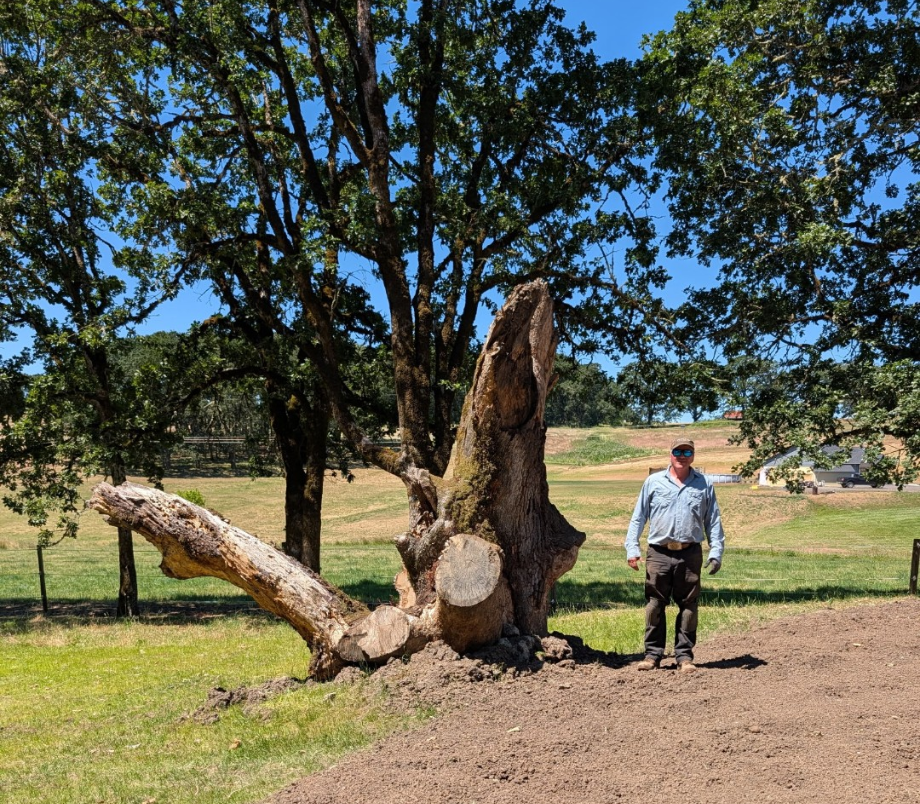
The now-adult children of old friends - Bill and Verna O’Loughlin - named her when they were kids. One massive limb swept close to the ground, and they loved to climb and play on it. To them, she was not just an old tree. She was Grandma Oak.
This much we know for sure: Grandma Oak was older than our country. That is why we decided to assemble this photo feature celebrating America’s 250th birthday. Judging by what we have found around her, it is possible she was a sapling when Jamestown, Virginia, was settled in 1607.
Grandma Oak’s progeny shades the area where she grew old. When the winds toppled her, Bill discovered that most of her roots had already dissolved into the soil. This added to our belief that she was very old. None of her progeny is as large as she was, but there are other white oaks in the area that are nearly her equal.
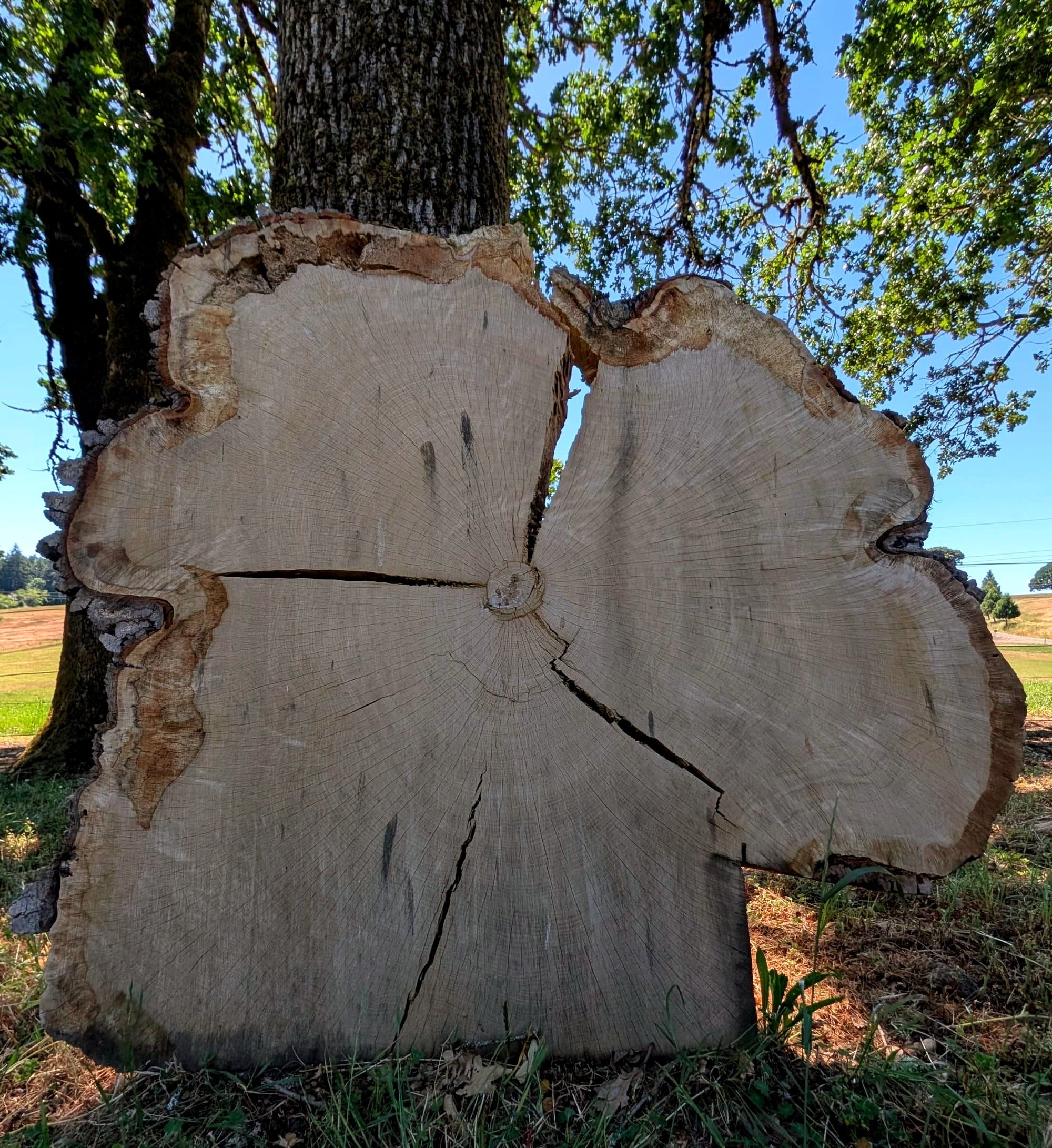
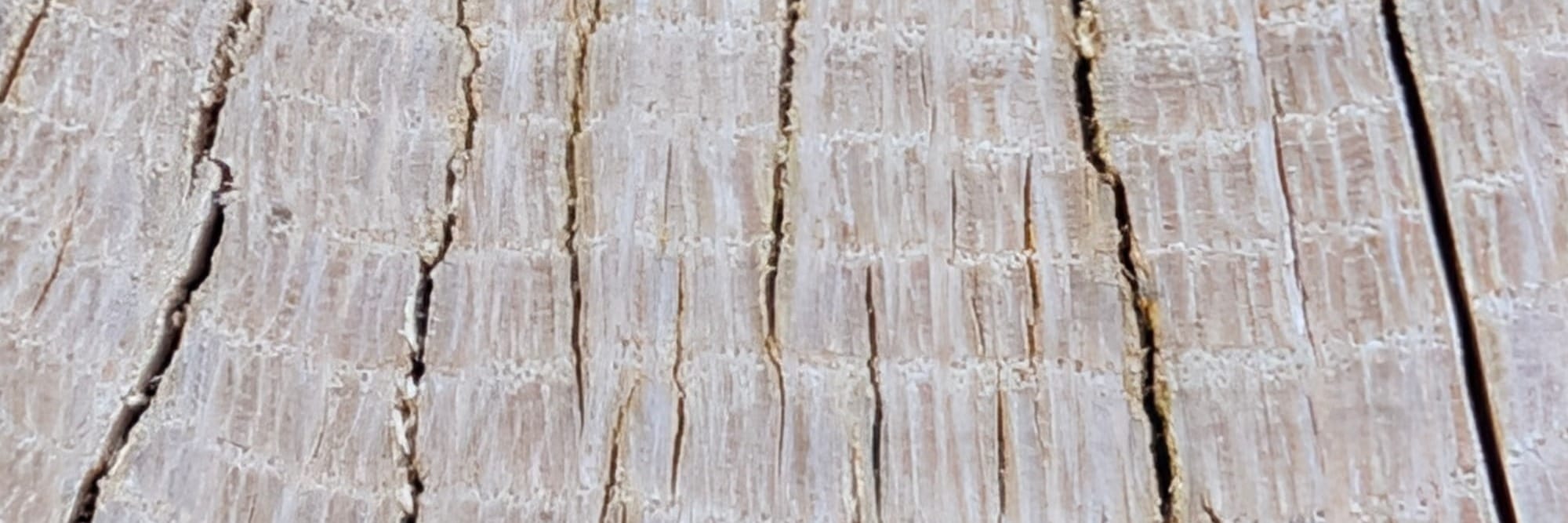
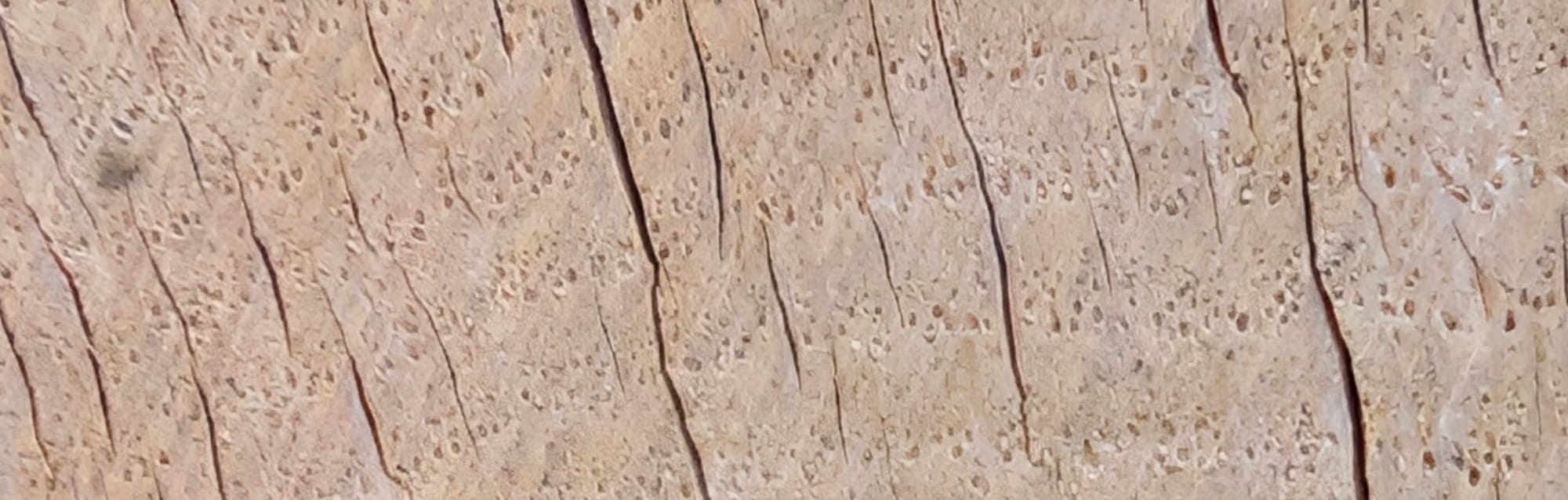
Bill has leaned a butt slice against a nearby fence. It is more than eight feet wide. The soil here is rich, and coastal rains watered her annually, so her growth rings are remarkably consistent in width - wide at first, then narrower as she aged. They are difficult to count, but the estimate is plus or minus four hundred years.
We don’t back down when the mission is daunting; we’re in until the fire is out.
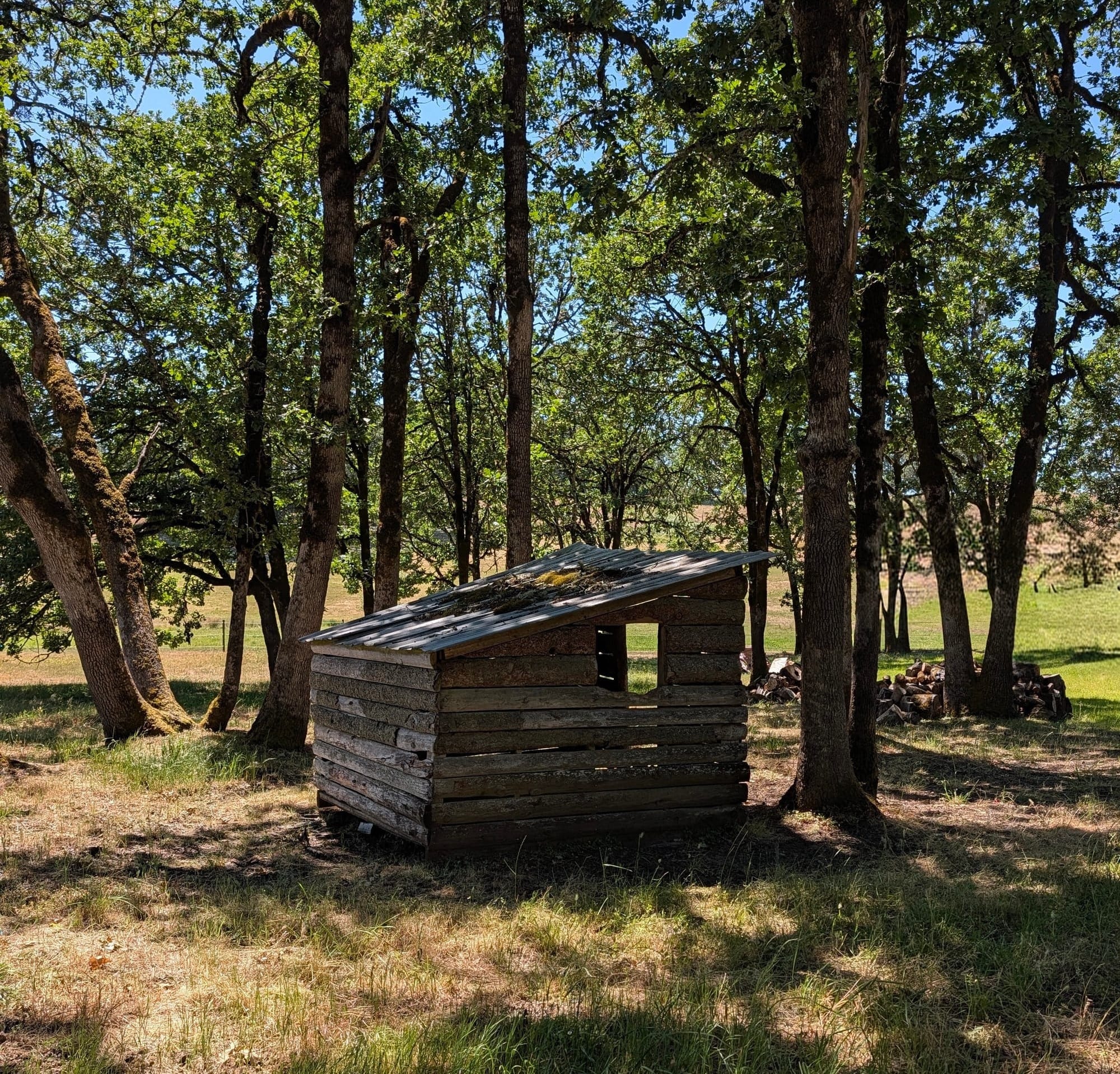
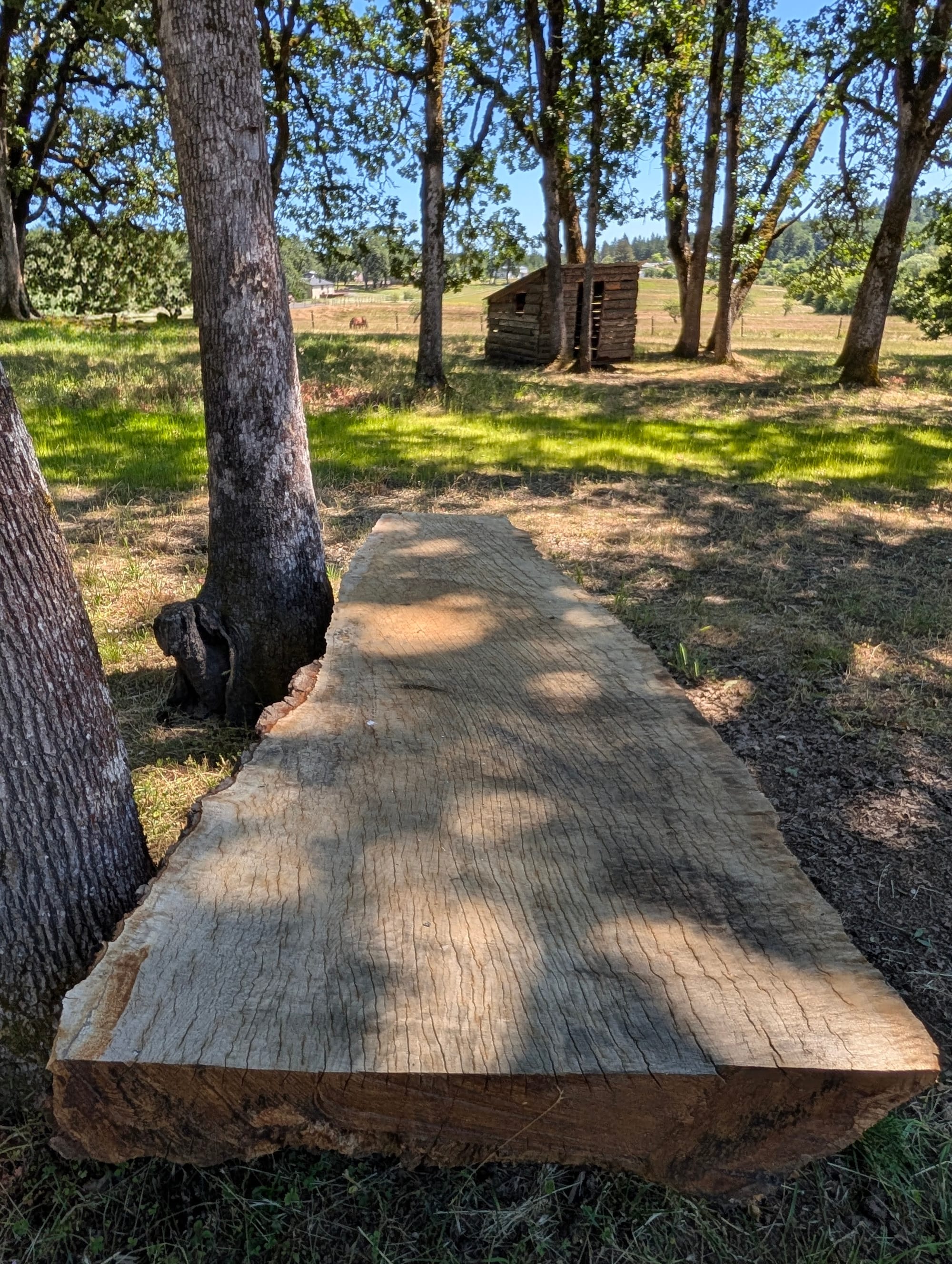
There is a 12-foot-long bench nearby that Bill cut from her massive fallen trunk. It is about eight feet wide on one end and four feet wide on the other. You can sit quietly on the bench and contemplate the wonders of Nature, listen to birds calling one another, and watch red-tail hawks soaring high above in the warm summer breeze.
There are thirteen more slabs air drying in a nearby horse barn. Bill intends to give one to each of his children and sell the others. The white grain is beautiful. With two slabs, you could make a dining room table large enough to seat a family and then some.
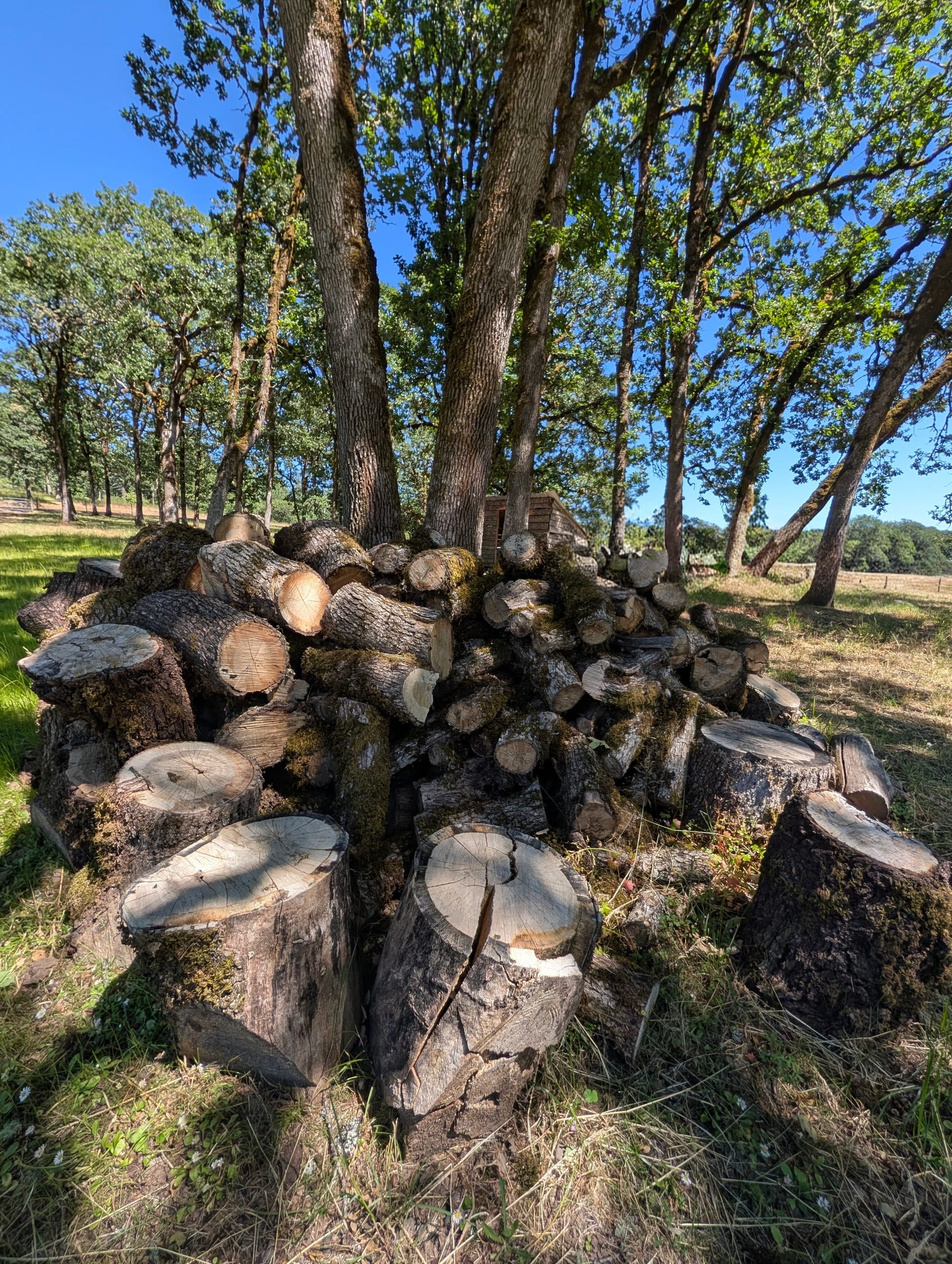
What isn't in slabs is firewood. Verna told us that one of the limbs alone offered up 47 pieces of firewood. Grandma Oak was a big lady.
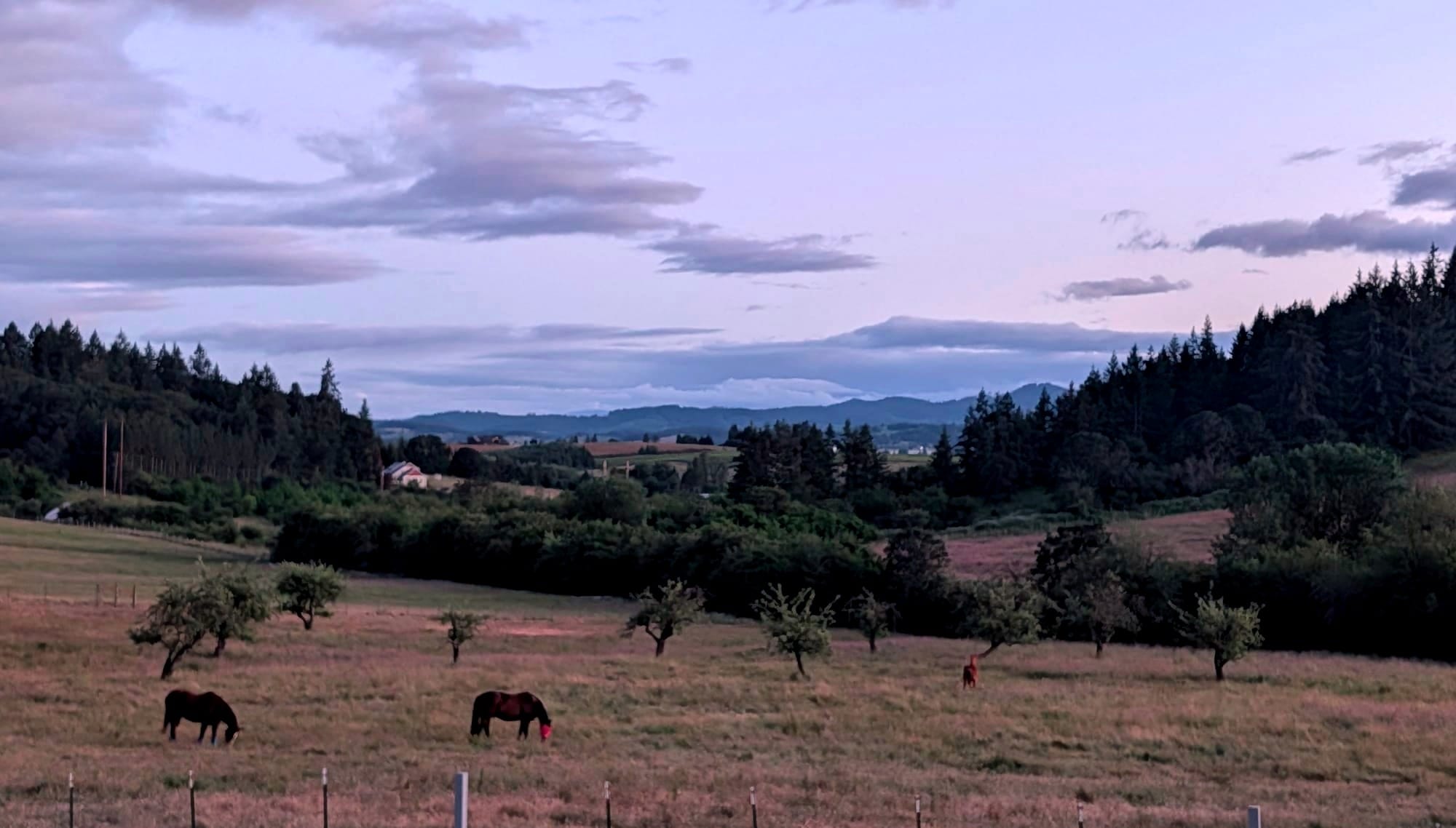
This area has remained an oak savannah for thousands of years, perpetuated by Indian fire. Then, as now, it is farmland.
Most who farm here grow hay. You can get three cuttings annually - two more than we got on my grandparents’ ranch northeast of Sandpoint, Idaho.
Our two youngest were raised in Yamhill. A more idyllic place to raise children and teach responsibility would be hard to find. There was room to work, room to wander, and room to learn that land gives back in proportion to the care it is given.
My grandfather always said that the only mistake he made when he moved his cattle operation from southwest Montana to northern Idaho was that he had not gone far enough west.
He and his brother, my great uncle Bill, had purchased 1,200 acres of cutover timberland from lumber titan Jim Humbird and hoped to make a go of it. The Humbird Mill in Sandpoint was once the largest in the world.
My grandparents saw the Yamhill Valley once - after haying season in 1930. They were on their way to Seaside to see the ocean, another first and last in their lives.
“We should have kept going west,” my grandfather once lamented to me. “You can feed cattle all winter long on three cuttings. You cannot on one.”
The farmland here is lush and beautiful. There are scattered patches of Douglas-fir planted in the lowlands, but white oak that reseeds itself is by far the dominant tree species.
Grandma Oak’s progeny is thriving. That seems fitting.
As does the transformation of Grandma Oak into a work of art by the talented Joaquin, carver and sculptor. A beautiful tribute to her long watch over the land and creatures she served.
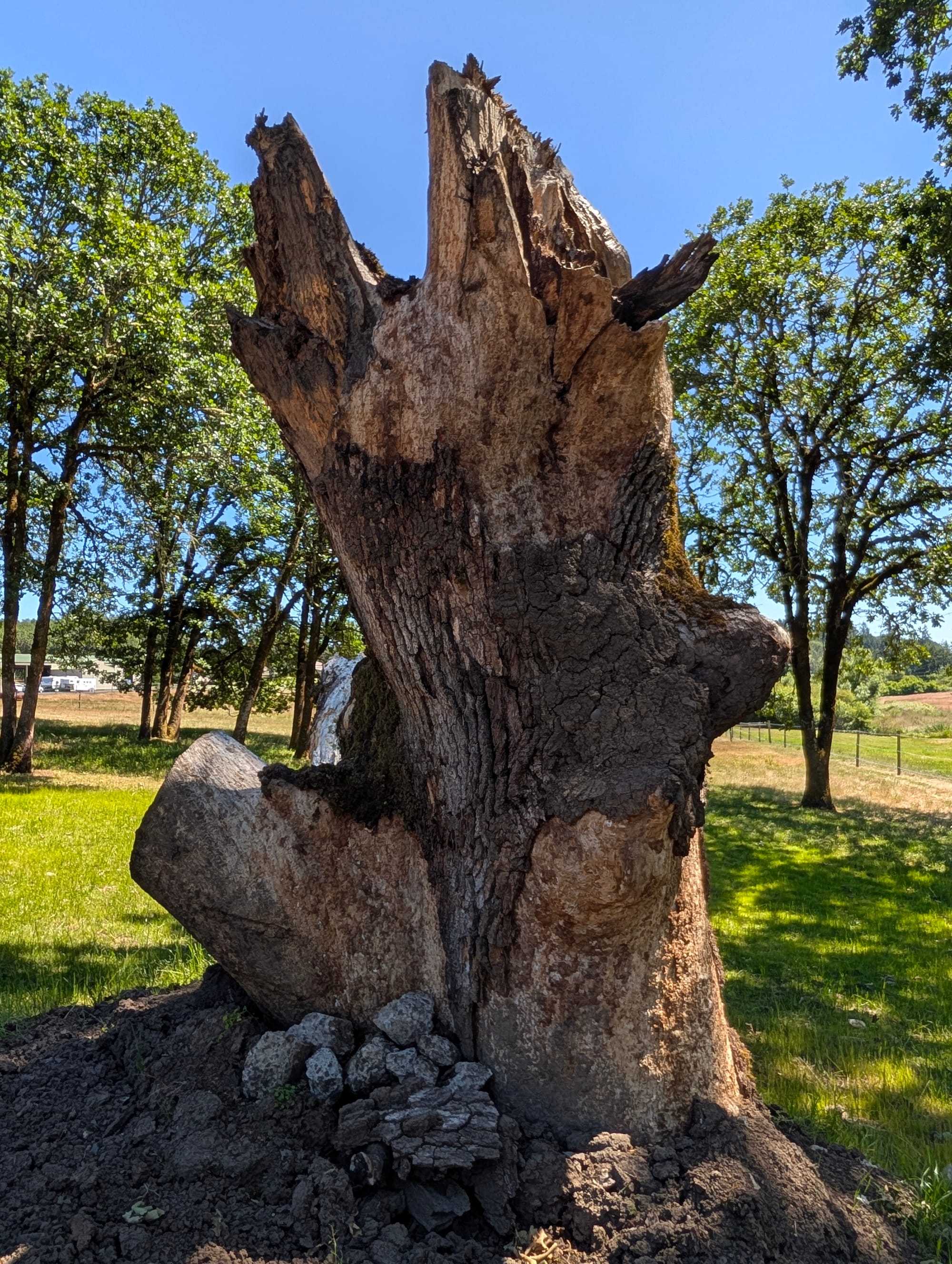
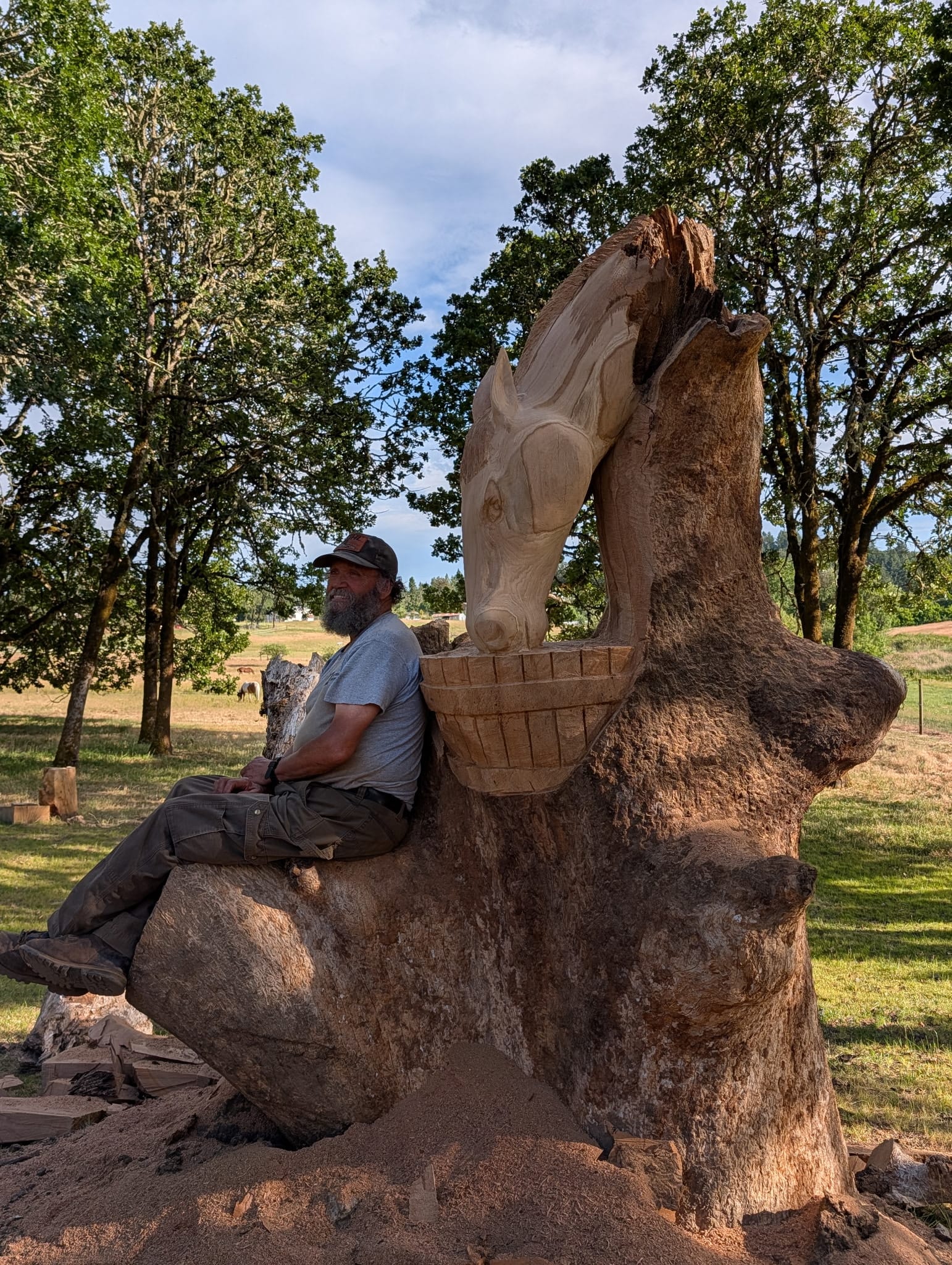
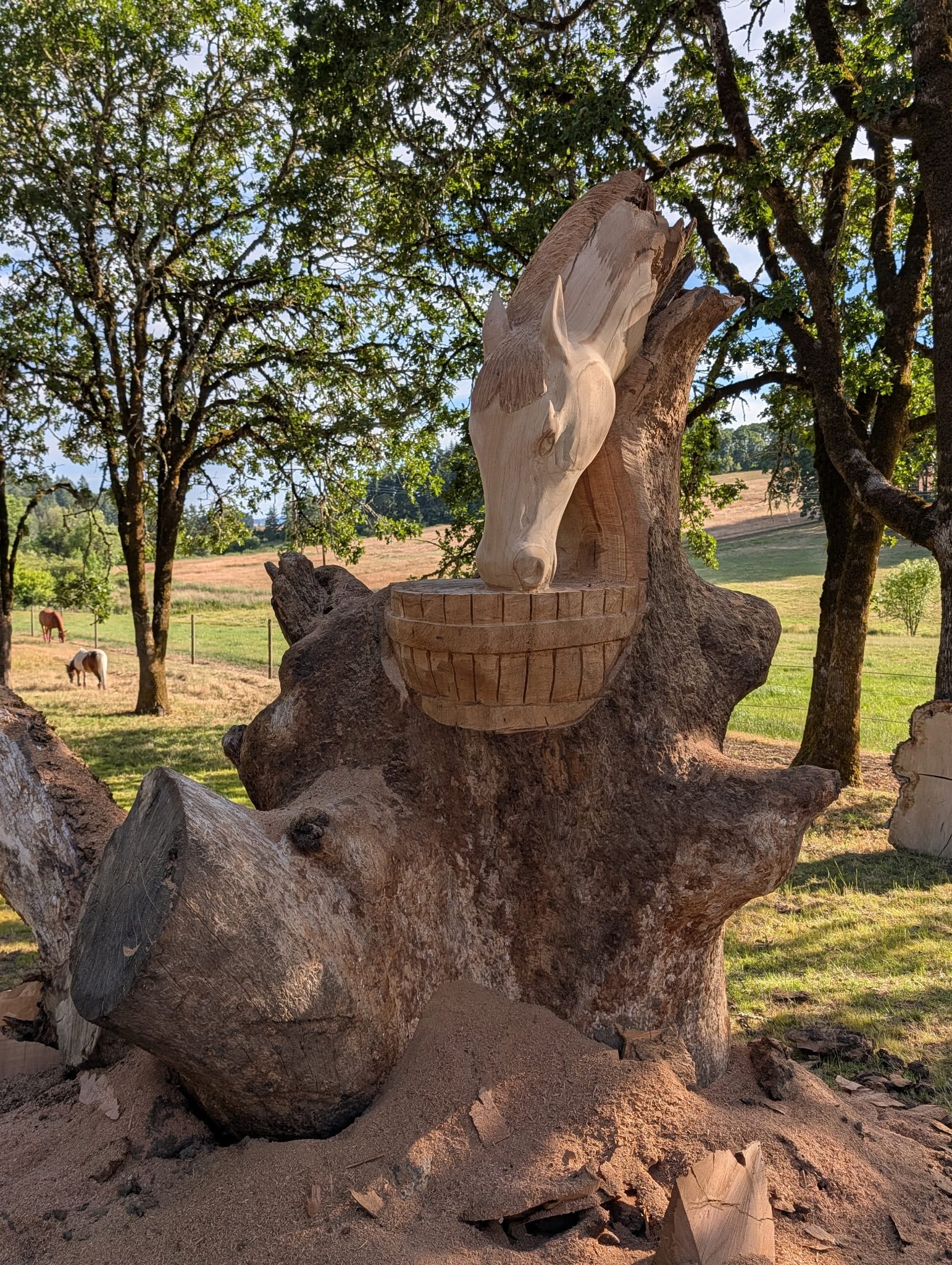
Long before there was a United States, Grandma Oak was putting down roots in this valley. She endured drought, wind, fire, settlement, farming, and time itself. Now she is gone, but not really. Her wood remains. Her seedlings remain. Her shade remains. And her story remains, rooted in one small piece of Oregon farmland.
As America marks its 250th birthday, Grandma Oak reminds us that nations, like trees, are measured by what they endure, what they shelter, and what they leave growing after them. Her life was not hurried. It was rooted, tested, renewed, and generous.
That is our hope for America, too: that we remain rooted in the best of what has been handed to us, honest about what needs repair, grateful for the land and people who have sustained us, and determined to leave something strong and beautiful for those who will gather in our shade long after we are gone.
Happy Birthday Grandma Oak!
Happy 250th America!
Evergreen cannot run on good intentions alone.
Independent forestry journalism takes time, travel, research, interviews, editing, photography, web publishing, and decades of earned trust.
It is work - and like the work you do, it has to be supported.
If Evergreen helps you understand the decisions shaping our forests, communities, and future, please subscribe or contribute today.
Subscribe. Contribute.
Help keep Evergreen independent.
Subscribers receive access to many of Evergreen’s back issues in our Archives.
Our archives hold a deep record of forestry reporting, history, policy, people, and practice.
Looking for a specific issue or topic?
Let us know, and we will help you find the Evergreen
coverage you need.
Prefer PayPal?
You can set up an ongoing donation, and we will honor it as a subscription with the same benefits.
Your 100% tax-deductible subscription allows us to continue providing science-based forestry information with the goal of ensuring healthy forests forever.